Archives for May 2021

Staying Cool in Summer

By: Dr. Alyssa Musgrove

This weekend temperatures are forecasted to reach the 90s, which means summer in Georgia is officially underway. The summer season provides ample opportunity for outdoor activities, including summer camps and sports, boating on the lake, outdoor concerts and more. But staying cool and comfortable can be tricky in the sticky southern heat. Here are some simple ways to keep cool when the temperatures start to climb.
Increase Vitamin C
University of Alabama researchers found Vitamin C increases tolerance for heat by delaying sweat gland fatigue, which reduces the risk and occurrence of heat rash and heat exhaustion. Researchers also discovered Vitamin C keeps body temperature from rising during heat exposure and can counteract the negative effects of sun damage. Supplementing daily with doses of Vitamin C, as small as 250 milligrams, can be helpful. If you are looking to increase your Vitamin C intake naturally, reach for the following Vitamin C-rich foods: 

  • Citrus fruits, such as oranges and grapefruit
  • Berries
  • Kiwi
  • Guava
  • Mango
  • Peas
  • Leafy green vegetables
  • Red peppers
  • Brussels sprouts
  • Broccoli 
  • Cauliflower

Stay hydrated
A quick way to overheat in the summer is by being dehydrated, so sneak in extra water whenever you can. Seasonal produce like watermelon, cucumber and cantaloupes contain a large amount of water. They are also easy to digest and do not need to be cooked. 

Peppermint tea is a great way to stay hydrated and also cool down. Peppermint contains menthol, which tricks the body into feeling cold. You can also spray mint tea or peppermint oil mixed with water on your skin to provide a cool feeling. 

Coconut water is also known for its cooling properties and is a great source of electrolytes, which are lost through sweating. Coconut water is a great cure for leg cramps and is a relatively low-calorie, low-sugar substitute for sports drinks. I always recommend purchasing coconut water that is stored in the cold section of the grocery store. The unrefrigerated coconut water on store shelves is usually pasteurized, which kills the nutrients and electrolytes obtained from fresh, raw coconut water.

Skip the barbeque and ice cream
High protein foods like red meat and high fat foods such as ice cream can be difficult for the body to digest. Digesting these foods requires the body to expend extra energy, which raises body temperature. Try snacking throughout the course of the day, instead of sitting down for a large, heavy meal. And reach for lower fat frozen desserts, such as sorbet or shaved ice, instead.

Find a spot of shade
If you are out and about and want to cool down, find a leafy tree to sit under. The shade from trees is actually cooler than shade from buildings and other man-made objects. A tree maintains its temperature by circulating water inside itself and releasing moisture into the atmosphere to keep itself and the air around it cool, a process called transpiration. In contrast, buildings tend to trap heat and radiate it back into the surrounding environment.

Create a cross-breeze
When it is 80 degrees outside, it only takes an hour for your car to reach 125 degrees inside. Instead of cranking the AC and walking away (or sitting in the car and suffering while it cools down), try creating a cross-breeze by rolling down the passenger side window and then opening and closing the door opposite of that window several times to quickly draw the hot air out.

Dress for the occasion
Wear white or pastel colors, which reflect light, as opposed to dark colored clothes, which tend to trap heat. Whenever possible, choose loose-fitting clothes, such as shorts and dresses. Loose-fitting clothes provide better air flow to keep you cool.

Pathways to Healing specializes in holistic chiropractic care. Dr. Alyssa Musgrove draws on a variety of techniques, including chiropractic, kinesiology, nutrition, food allergy testing and lifestyle counseling to assist clients in achieving optimal health and wellness in one setting. Pathways to Healing is located at 1022 Founders Row, Lake Oconee Village, Greensboro. The office can be reached at 706-454-2040.
Pain in the Shin

By: Dr. Alyssa Musgrove


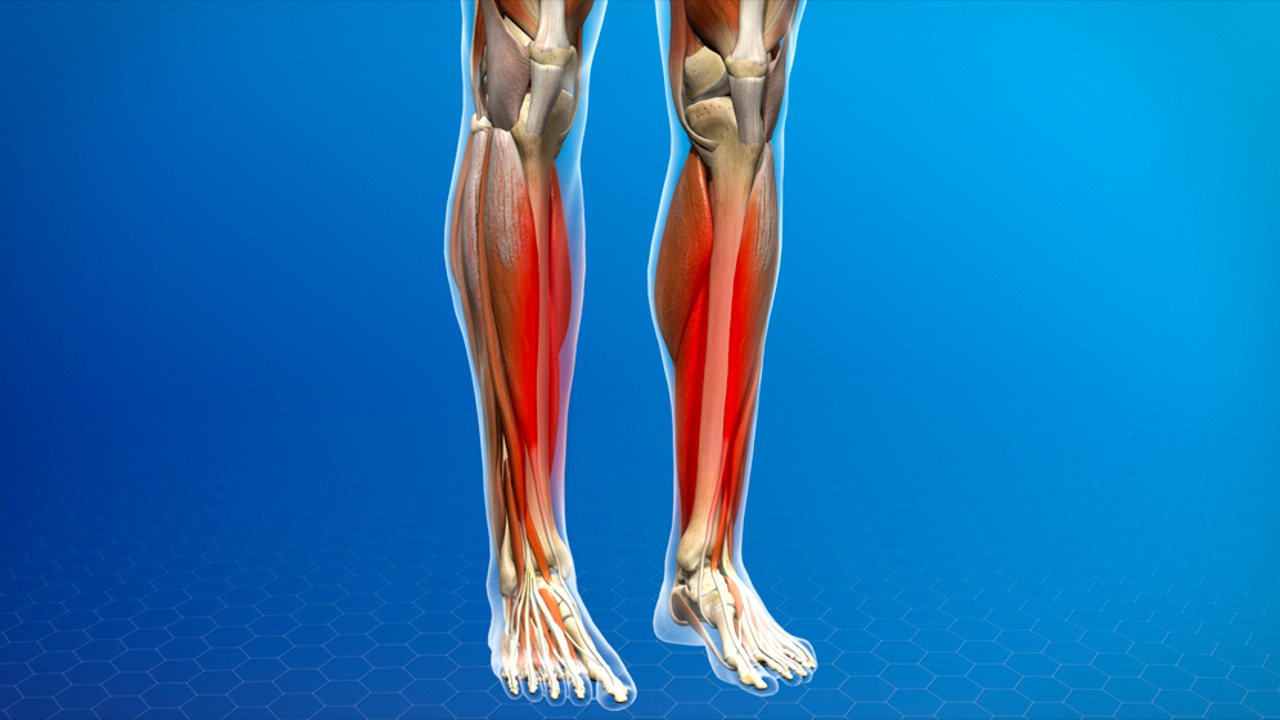
Have you ever experienced pain in the front of your lower leg after vigorous physical activity? If so, you may have experienced shin splints, a common injury that occurs between the knee and ankle.


While not a serious condition, shin splints can be very painful and can reoccur. Shin splints may start out as a muscle ache and then progress into sharp, shooting pains accompanied by swelling. The pain is usually located on the front of the lower leg, along the outside or inside of the shin. The pain begins when you perform weight-bearing physical activity and worsens after exercising is complete. In severe cases, any weight-bearing activity, such as standing or walking, will make the lower leg throb or burn.


The pain associated with shin splints results from an excessive amount of force on the shin bone, muscles and tissues that attach to the surrounding area. The force causes inflammation and swelling of the tissues, which increases the pressure leading to pain.


Common causes of shin splints include:


  • beginning a new exercise routine
  • running with bad form
  • improper alignment of the feet (i.e. fallen arches, overpronation, supination, flat feet)
  • not allowing appropriate recovery time
  • running on hard surfaces, such as pavement
  • running on unstable terrain or uneven surfaces
  • activity that involves going uphill or downhill
  • wearing new sneakers too long
  • wearing worn-out sneakers
  • improper warm-up techniques before activity
  • lack of flexibility or mobility
  • not properly stretching after activity
  • sudden change in physical activity
  • a previous injury that healed incorrectly
  • participating in sports that have fast stops and starts, such as soccer, tennis, basketball, racquetball and dancing


Shin splints can also be caused by repetitive stress placed on connective tissues, as can happen with over-training. If the root cause of your pain is not addressed, the pain can reappear quickly.


There are some steps you can take at home to help ease the discomfort of shin splints. Since the injury is caused by activity, rest is always the most important step. Rest allows the body time to recover and can make a huge difference. Rest does not mean being inactive and idle all day. Rather, just decrease the intensity and duration of your activity to allow your legs time to heal.


Ice or cold compresses placed directly on the problematic area can reduce the swelling and help numb the pain. Apply for 10 to 20 minutes at a time and repeat 3-5 times for the first few days. Elevate the legs for additional healing.


To prevent shin splints – or keep them from reoccurring – follow these steps:


  1. Focus on proper tissue recovery after activity. Foam rolling, massage and stretching the calves can all be helpful. To foam roll the calf muscles, place the foam roller on the floor. Place the lower part of your leg on top of the foam roller, and move the leg back and forth and side to side, for 30 to 60 seconds. Repeat 5 to 10 minutes daily.


  1. Wear supportive shoes. Some sneakers support your feet and shins more than others.


  1. Replace your shoes once they are worn out, typically every 350 to 500 miles.


  1. Consider adding arch support. Insoles are a great addition that can properly support your feet. Be sure to talk to a professional who specializes in measuring and assessing feet and arches.


  1. Wear compression socks or compression wraps. Both can be helpful in supporting the soft tissue surrounding the shin.


  1. Incorporate cross-training. Perform multiple types of exercise each week, rather than continually performing the same activity with the same force. This helps reduce the amount of repetitive stress on your legs, builds strength in other areas and takes pressure off your shins. For example, if you are a runner, try breaking up your weekly activity by adding a day or two of yoga, TRX, biking, swimming or simply walking.


  1. Warm up prior to activity and perform proper stretching before, after and in between workouts – especially focusing on the glutes, IT bands and calves.


  1. Do not exercise through the pain.


  1. Ensure you maintain proper form when exercising.


Some choose to self-diagnose shin splints, but it is always advised to see a doctor or physical therapist. They can take a proper case history, perform a physical exam and take an x-ray in order to prescribe the appropriate treatment and rule out more serious injuries that can mimic shin splints, such as a stress fracture.


Pathways to Healing specializes in holistic chiropractic care. Dr. Alyssa Musgrove draws on a variety of techniques, including chiropractic, kinesiology, nutrition, food allergy testing and lifestyle counseling to assist clients in achieving optimal health and wellness in one setting. Pathways to Healing is located at 1022 Founders Row, Lake Oconee Village, Greensboro. The office can be reached at 706-454-2040.


Is Tendonitis Causing Your Pain?

By: Dr. Alyssa Musgrove

When you feel a new, painful twinge in your body, it is common to wonder if it might be your arthritis spreading. However, not all pain is arthritis related. It is possible the new, painful area is caused by a condition commonly known as tendonitis.

Tendons are thick, fibrous cords that connect muscles to bone. When a muscle contracts to move a bone, the tendon supports that action. Tendonitis is inflammation or irritation of a tendon and usually occurs near a joint, which is why it is often mistaken for arthritis. It can affect people of all ages, sizes and levels of physical activity, however it is most common in adults over the age of 40. 

Tendonitis is most commonly caused by overuse or repetitive movement patterns. Some forms of tendonitis are named after the sports in which they commonly occur, such as tennis elbow, jumper’s knee, pitcher’s shoulder and golfer’s elbow. Tendonitis can also be caused by physical activities of a longer duration that are outside of your normal routine. For example, power washing the pollen away, spreading pine straw or cleaning the boat. Similarly, a longer walk than usual, or a walk on a terrain that is not routine exercise for you, can also cause sudden tendon irritation. Other common activities that can trigger tendonitis include dancing, gardening, cleaning or skiing without proper warm up or stretching afterward.  

Tendonitis typically involves pain that worsens with motion, and improves with rest and appropriate treatment. Symptoms can reoccur in the same area of the body and include redness, swelling, and warmth at the site. Some types of tendonitis can occur suddenly and last for a few days, while other types accumulate over time and last for weeks to months. 

If the cause of your tendonitis is over-use, you may be told to rest the area and reduce (or avoid) the particular activity. Cold therapy is a great first line of defense to help reduce pain and swelling. A general rule of thumb is to apply ice to the area for 15-20 minutes, followed by at least 20 minutes off. This cycle can be repeated every 2 to 3 hours for the first 24 to 48 hours after your injury. (Never place ice directly on the skin. Always cover the skin with a light absorbent towel, piece of clothing, paper towel or dish towel to prevent frostbite. If you don’t have an ice pack, a bag of frozen peas or corn will work just fine.)

Certain supplements can also be helpful in lowering inflammation and nourishing damaged tissues.  Omega-3 oil is an anti-inflammatory fat needed to control swelling. It is most commonly found in wild-caught fish but can be supplemented in higher doses as a pill or liquid. Turmeric can be used in cooking or also taken in capsule form, tea or essential oil. Bromelain is an enzyme in pineapple that has anti-inflammatory effects and aids in tissue repair. Collagen makes up ligament and tendon tissue. It can be taken in powder form, or consumed as bone broth, to restore your supply and strengthen weakened areas. MSM is a source of sulfur that is necessary for proper tendon function. 

Ensuring the correct body position and correct posture during the problematic activity is important when trying to prevent the injury from recurring. Warming up the tissues and area before, during and after the activity is also useful. Start new exercises slowly. Pace yourself when undertaking abrupt, abnormal chores. Take enough rest days between workouts if you are starting a new routine as your tendons need time to catch up with any new form of movement. 

Sometimes supporting the area with a splint, wrap bandage, compression sleeve or kinesiology tape can help take pressure off the tissues and allow them to heal. Kinesiology tape is a therapeutic tape applied strategically to the body to support tissue, decrease pain and swelling, and improve performance. It is best to consult with a medical provider or physical therapist who is trained in the proper application before you try to apply it yourself.  Corticosteroid injections are a more invasive option that can provide short-term pain relief for tendonitis. These powerful anti-inflammatory drugs are injected directly into a joint or tendon at a doctor’s office.  

If tendonitis continues, or you ignore symptoms and overuse an unhealed injury, there is a possibility of the tendon rupturing or developing lesions on the tendon that may require surgery. The best treatment for tendonitis depends on case history and a physical exam to rule out any other conditions or problems. A chiropractor can assess your posture, give you tips for performing certain activities in a safer way, increase flexibility by making sure the nervous system is working properly and increase joint mobility. 

Pathways to Healing specializes in holistic chiropractic care. Dr. Alyssa Musgrove draws on a variety of techniques, including chiropractic, kinesiology, nutrition, food allergy testing and lifestyle counseling to assist clients in achieving optimal health and wellness in one setting. Pathways to Healing is located at 1022 Founders Row, Lake Oconee Village, Greensboro. The office can be reached at 706-454-2040.