Archives for December 2018

Do You Need To Detox?

By Dr. Alyssa Musgrove

When people hear the word “detox,” they often think of drug addicts or alcoholics undergoing therapy to rid themselves of toxins they have put into their bodies. However, these days, it’s becoming more common for people to mention a “detox” (or “cleanse”) in terms of a specific diet program to help rid their bodies of chemicals and toxins, while also encouraging weight loss. This time of year, after all the guilty indulgences of the holidays, people are particularly motivated to “clean up their act.” Many of these detox programs are tempting since they offer a “quick fix” and fast weight loss. 

There are many trendy detoxification plans and programs that promise miraculous results, but are they really healthy and is a detox all about losing weight? The truth is, most detoxes marketed in the media are not healthy — especially the ones that focus on eating or drinking one thing during the course of the cleanse. One example is the “Master Cleanse,” where you drink only lemon water with maple syrup and cayenne pepper for several days. Naturally, you will lose weight, and lemon water is good for cleansing the body.  However just doing this alone is not good for your health.

The purpose of a good detox program should be to improve and optimize your body’s own detoxification systems and cleanse the body from the inside out — not just on losing weight. Done correctly, a detox helps decrease the number of toxins we put into our bodies, while also supporting our body’s detoxification and elimination systems with the nutrients it needs to function properly.

We live in a toxic world and are inundated with a myriad of chemicals on a daily basis. Many times, when we think of environmental toxins, we visualize smog over a city, cigarette smoke, exhaust fumes from a car, or pollution from a factory smokestack. What we fail to realize, is that most of our toxic exposure is found indoors rather than outdoors. Like sponges, our bodies absorb toxins from the air we breathe, from the foods we eat, from personal care products we use on our skin and from the toxic things we touch. Municipal water supplies have been found to contain more than 2,100 chemicals. Non-organically grown foods contain pesticides, herbicides and chemicals that our bodies will store in fat cells when they cannot be detoxified. Processed foods are filled with synthetic chemicals such as flavorings, dyes, preservatives, bleaching agents and artificial sweeteners.

Toxins build up over time and can impact the function of our bodies, leading to symptoms such as fatigue, joint pain, sinus congestion, headaches, constipation, diarrhea, gas, cravings, stubborn weight loss, acne, skin problems and PMS. Environmental toxins can even affect a growing baby in the womb. According to a report by the Environmental Working Group, blood samples taken from umbilical cords were tested and found to contain over 287 contaminants including mercury, pesticides, DDT and even fire retardants, which can alter learning ability, memory, behavior and hearing.

Doing a good detox once or twice a year can help cleanse and improve the body’s detoxification systems. Some simple steps you can take are:

1 Choose to drink pure, refreshing spring water, or quality filtered water, rather than tap water. Water is the body’s most important nutrient, and our body’s natural detoxification process is dependent on good water.

2 Choose to eat REAL FOODS, meaning foods found in nature that can be picked, gathered and hunted. Processed food is filled with a multitude of chemicals. “The less doctored your food, the less doctoring you will need.”

3 Choose to breathe quality air by avoiding exposure to exhaust fumes and secondhand smoke. Wait inside the airport terminal rather than outside on the curb, and limit walking or exercising along busy streets. Studies have shown a relationship between increased pollution and increased plaque in carotid arteries.

4 Choose more natural, environmentally friendly cleaning products. Something as simple as vinegar and water can be used for windows, mopping floors and various other cleaning chores. You can also find quality choices in grocery stores or health food stores.
5 Choose to exercise. Exercise increases the oxygen in your tissues, improves elimination, builds the strength of bones, muscles and joints, and helps us to sweat, which is important in helping eliminate toxins from the body. We have two to three million sweat glands in our skin. The skin is our largest organ of elimination and sometimes referred to as our “third kidney.”

6 Choose a healthy supplement. Taking a good quality multivitamin and mineral supplement can help your body function more optimally. Also, taking a good quality supplement to support your organs of detoxification is important and beneficial while doing a quality detoxification program.

7 Choose to relax. Getting your body and mind into a relaxed state on a daily basis helps to calm you and improve your body’s detoxification systems.

Choose to “clean up your act” this year with healthy detoxification. If you are interested in receiving a toxicity questionnaire and a list of healthy food replacements that will help you in cleansing your body, please email me at pathwaysth@gmail.com or call 706-454-2040.

Pathways to Healing specializes in holistic chiropractic care. Dr. Alyssa Musgrove draws on a variety of techniques, including chiropractic, kinesiology, nutrition, food allergy testing and lifestyle counseling to assist clients in achieving optimal health and wellness in one setting. In addition, the practice is committed to being a valuable source of information so that people can learn how to live a healthy lifestyle and prevent future illness. Pathways to Healing is located at 1022 Founders Row, Lake Oconee Village, Greensboro, GA.


Is Coffee Good For You?

By: Dr. Alyssa Musgrove

According to the National Coffee Association, 83% of American adults drink an average of two cups of coffee a day. In fact, the United States spends about $4 billion a year importing coffee, and coffee is considered the world’s second most valuable trade commodity behind petroleum.

So, coffee definitely has a wide fan base. But is coffee good for your health? 

Coffee contains caffeine, which acts as a stimulant for the central nervous system. The amount of caffeine in coffee varies dramatically depending on the bean used and the method by which the coffee is brewed. Dark roasts have a stronger, bolder flavor, but contains about 15 to 20 percent less caffeine than light roasts of the same variety.  This is because the roasting process of the bean reduces the caffeine content.

An average eight-ounce cup of brewed coffee from ground beans contains about 90-100 milligrams (mg) of caffeine compared to a cup of green tea that has about 40-50 mg or Coca-Cola, which has 45 mg. One-ounce of espresso contains about 30-50 mg of caffeine.  Decaf coffee in the United States must be 97 percent caffeine-free, meaning an eight ounce cup will still have 5-10 milligrams of caffeine.

Coffee can increase mental and physical performance and temporarily restore alertness, thereby increasing motivation and productivity. Coffee also increases blood flow to the brain, thereby increasing brain activity. Coffee can also be a performance enhancer and can contribute to higher stamina and concentration. One report, published by the School of Sport and Exercise Science, found athletic performance times were significantly faster among adult men who drank coffee prior to exercising compared to the placebo group, who drank decaf.

Coffee also contains a high source of antioxidants. When antioxidants are increased in the blood, it helps fight free radicals that can be damaging to the body. Coffee contains polyphenols, which are the same kind of antioxidants found in red wine and cocoa. These antioxidants may attribute to lowering oxidative stress and inflammation, potentially lowering your risk for disease.

There are potential drawbacks to coffee that are worth considering. The caffeine in coffee can leave some people feeling anxious and jittery. Additionally, consuming too much caffeine can have addictive side effects. Personal tolerance to caffeine is another factor to consider. For those prone to sleep-related problems, anxiety and heart palpitations, coffee might need to be off limits. People with low stomach acid or those who battle heartburn symptoms might be bothered by coffee, as well.

Since coffee contains caffeine, which alters your physiology and mood, it also has the ability to impact hormones and neurotransmitter function. Many people use coffee to mask fatigue and exhaustion from working long, tiring days. When caffeine is used to keep you going, or you depend on it to wake up, it may disguise underlying fatigue that may be coming from another health condition or end up causing one from lack of rest. Sometimes your body needs rest and time to reboot when you are worn out.

Black coffee is a better choice than energy drinks, soda, sweet teas and juices. Black coffee contains no sugar or carbs and minimal calories. Usually it’s what people add to their coffee that makes it unhealthy. If you do drink coffee, try to have it black or sweetened with organic cane sugar or stevia. For those who prefer milk in their coffee, reach for “no sugar added” nut milks (almond, cashew etc.), coconut milk or rice milk.

“Bulletproof coffee” has recently been gaining in popularity. To make bulletproof coffee, take 1 to 2 tablespoons of grass-fed butter or ghee, 1 to 2 tablespoons of coconut oil and 1 to 2 cups of hot coffee and mix in a blender for 20-30 seconds until frothy. Bulletproof coffee can trigger weight loss by activating ketosis, a metabolic state generated by lack of carbs that stimulates the body to burn fat as a source of energy. This coffee mixture can also be a great way to get healthy fats first thing in the morning, suppress hunger or decrease cravings while providing energy without the sugar spike and crash.

Some people maintain cold-brewed coffee is healthier than regular, hot-brewed coffee. Cold-brew coffee is made by steeping coffee grounds in room temperature, or cold water, for an extended period of time (8-24 hours). Advocates claim cold brew coffee is up to 60% less acidic than typical hot coffee. Less acidic coffee can have a smoother taste and be better for teeth enamel and stomach acid balance. It also keeps fresh in the refrigerator for up to two weeks.

Nitro coffee is cold brewed coffee put into a keg and infused with nitrogen gas. It offers that frothy and bubbly taste straight from the tap and does not contain (or really need) milk or sugar. Nitro coffee is less acidic than traditional hot coffee and includes about 30 percent more caffeine. Nitro coffee is becoming widely available in bottles and cans, so you can enjoy this trendy coffee at home or in the office.

Whether or not coffee is good for your health depends on your own body and how well you are able to tolerate it. If you do not have any issues consuming it, it’s safe to indulge in a cup.

Pathways to Healing specializes in holistic chiropractic care. Dr. Alyssa Musgrove draws on a variety of techniques, including chiropractic, kinesiology, nutrition, food allergy testing and lifestyle counseling to assist clients in achieving optimal health and wellness in one setting. Pathways to Healing is located at 1022 Founders Row, Lake Oconee Village, Greensboro. The office can be reached at 706-454-2040.

How To Maximize The Shelf Life Of Your Produce

Dr. Alyssa Musgrove

Spending hard-earned money on groceries that never actually reach your plate is like throwing away cash. Because most of us do not have the time to visit grocery stores or farmers markets daily to get fresh produce, we tend to buy produce all at once, which can lead to early spoiling if we don’t utilize proper storage techniques. For example, refrigeration causes some foods to spoil faster. Other types of produce should be ripened at room temperature to reach their best taste potential. What follows are some helpful guidelines for keeping your food fresher, longer, as well as tips and tricks to enjoy maximum flavor.

Fruits

  • For gradual ripening, keep fruits separated.  Fruits release ethylene gases during the ripening process, which can cause other produce to ripen more rapidly.
  • The following fruits are best ripened on the counter first, then refrigerated: kiwi, nectarine, peach, pear, and plum.
  • Storing bananas in the refrigerator can disrupt the ripening process. Once refrigerated, a banana may never be able to resume the ripening process if returned to room temperature. If your bananas are turning bad, cut up, freeze and use in smoothies or for banana bread.
  • Refrigeration shuts down the ripening enzymes in avocados, so unless you want to stop the ripening process, keep avocados on the counter.
  • To ripen avocados quickly, put the un-ripened avocado in a brown paper bag.  Be sure to fold the top over to close the bag, and then check the bag daily to remove ripened ones.  This ripening trick also works for tomatoes.
  • Apples lose flavor and texture when refrigerated, so if you prefer eating apples cold, place them in the fridge 30 minutes before eating.
  • Avoid washing berries until right before you eat them, as wetness encourages mold growth. Berries can be refrigerated in a drawer uncovered or in a vented container.
  • To keep your pineapple longer, cut the leafy top off and store the pineapple upside down. This also helps redistribute sugars that sink to the bottom during shipping and transport.
  • Lemons can be stored in a bowl full of water in the fridge in order to get the longest shelf life. 

Vegetables

  • Winter squash, butternut squash, acorn squash, and pumpkins should all be stored at room temperature.
  • When exposed to cold temperatures, the starch in sweet potatoes turns to sugar, disrupting their flavor and texture – and increasing their overall sugar content. Store sweet potatoes, yams, and regular potatoes in a cool dark area of the kitchen or pantry for the longest shelf life, up to 2 months in a paper bag!
  • Tomatoes lose flavor and become mushy when refrigerated. Spread them out on the counter, out of direct sunlight for even ripening, as well as better taste and texture.
  • To get the longest shelf life for onions, place them in a paper bag, and store them in a cool, dark cabinet.
  • Garlic will last up to 4 months if stored away from heat and light. The pantry is a great location. 
  • Ideally, leafy greens should be consumed within 1 to 2 days of purchase to ensure you are getting the most nutrients. You can extend the shelf life by wrapping unwashed leaves in a paper towel. (The towel will absorb any excess moisture and prevent soggy rotten leaves.) After wrapping the unwashed greens in a paper towel, put them in a plastic bag and store them in your fridge.
  • Asparagus should be stored upright in the refrigerator with a damp towel wrapped around the base or upright in a cup with the stems in an inch of water.
  • Celery should be kept in the front of the refrigerator where it is less likely to freeze.  Or you can cut celery and submerge in a tall cup of water.

Coffee and Herbs

  • Coffee is best stored at room temperature in order to allow the natural oils of the coffee bean to activate its powerful aromatic scent. Be aware that coffee can also absorb odors from other foods in your fridge or freezer.
  • Wrap rosemary, thyme, parsley, and cilantro in a moist paper towel, place in air-tight containers and refrigerate for up to ten days.
  • Basil is best kept on the countertop with the stems in water and the top lightly covered with plastic.

Finally, remove pesticide residue from your produce by mixing one tablespoon of apple cider vinegar to one cup of water, and soak desired fruit or vegetable. Stir periodically for five minutes before draining, rinsing, and using.

These storage tips will help keep your fruit and vegetable purchases fresher longer so you get your money’s worth.

Pathways to Healing specializes in holistic chiropractic care. Dr. Alyssa Musgrove draws on a variety of techniques, including chiropractic, kinesiology, nutrition, food allergy testing and lifestyle counseling to assist clients in achieving optimal health and wellness in one setting. In addition, the practice is committed to being a valuable source of information so that people can learn how to live a healthy lifestyle and prevent future illness. Pathways to Healing is located at 1022 Founders Row, Lake Oconee Village, Greensboro. The office can be reached at 706-454-2040.

Frankincense: The “King” Of Essential Oils

By Dr. Alyssa Musgrove

Frankincense oil has been prized since ancient times. Just the mention of it likely brings to mind the Christmas story – frankincense was among the gifts offered to the newborn Jesus by the wise men.  Its value in ancient times surpassed that of gold, and frankincense was often traded and used by those in North Africa, the Middle East, and Egypt. In fact, there are records citing frankincense as a valuable trade commodity as far back as 3,000 BC.

But can this ancient oil still benefit us today?

Frankincense oil is derived from the dried sap, or resin, or the Boswellia tree. The resin is then steam distilled to create a potent – and pricey — essential oil. Frankincense is one of the few essential oils to contain sesquiterpenes, enabling it to go beyond the blood-brain barrier and help stimulate the limbic system in your brain. The oil has a woody, earthy, spicy and slightly fruity aroma that is calming and relaxing.

Frankincense has analgesic, anti-inflammatory, and antiseptic properties. The use of frankincense can be traced back to Hippocrates, a Greek physician credited with being the “father of medicine.” Hippocrates used frankincense oil for numerous conditions including toothaches, leprosy, indigestion, chronic coughs, hemorrhoids and the healing of wounds and sores. Other ancient civilizations, such as the Egyptians, used frankincense for perfumes, embalming fluid, and even facial treatments.

Today, frankincense is still effective in reducing pain and inflammation. In 2009, a study published in Phytotherapy Research, found Boswellia extracts inhibited pro-inflammatory molecules involved in joint cartilage degradation. Another study published in PubMed in 2012 found frankincense oil was found to have antinociceptive (pain sensation-blocking) properties in animals. Researched published in BioMed Central’s open access journal for arthritis showed significant improvement in osteoarthritis symptoms in as little as seven days after using frankincense.

Frankincense has also been shown to improve immune function, help fight infections and cleanse and detoxify the body. According to a study published in the Journal of Oncology, frankincense was able to shrink tumors and kill cancer cells. Other studies have shown frankincense may help in the treatment of Crohn’s disease, ulcerative colitis, asthma, and anxiety.

Frankincense helps healthy cell regeneration and keeps existing cells and tissues healthy. This oil may help with aging by rejuvenating the skin, reducing the appearance of blemishes, razor bumps, scars, and stretch marks. I add a couple of drops to my face moisturizer every morning!

Frankincense oil can be used topically or diffused through the air. Both methods are very effective since the molecules of the oils are so small that they easily pass through the skin or the olfactory system into the bloodstream, where they can begin to protect and heal the body. After entering the bloodstream, essential oils are circulated to the tissues and organs in the body, and then into the lymphatic system. The oils will typically last anywhere from 12-24 hours and will eventually be eliminated through normal body functions. When essential oils are combined with massage they can have a longer lasting effect, up to several days.

Like many essential oils, frankincense should be combined with a carrier oil prior to applying it directly to the skin. Frankincense is generally safe, however, it is always advised to do a spot test first to check if you have any sensitivity to the oil. Applying 3-6 drops of frankincense oil to the bottom of your feet (along with a carrier oil) can balance your mood and promote feelings of relaxation, peace, and overall wellness. The oil is also quickly absorbed when applied behind the ears and on the wrists. For infants and small children, the oil should be diluted with a fractionated coconut oil (about 1-3 tablespoons of fractionated oil to 1-3 drops of essential oil for infants and one teaspoon of carrier oil to 1-3 drops of essential oil for children ages 2-5.)

Frankincense oil and clove oil can be diffused together to boost your immune system, protect you from getting colds, or to help you recover more quickly if you do catch a cold.


Pathways to Healing specializes in holistic chiropractic care. Dr. Alyssa Musgrove draws on a variety of techniques, including chiropractic, kinesiology, nutrition, food allergy testing and lifestyle counseling to assist clients in achieving optimal health and wellness in one setting. Pathways to Healing is located at 1022 Founders Row, Lake Oconee Village, Greensboro. The office can be reached at 706-454-2040.

Benefits of Bodyweight Exercises

By: Dr. Alyssa Musgrove

Some of the most common obstacles for fitting regular exercise into our daily lives are time, money, and energy. But what if I told you it was possible to invest in your health without having to go to a gym, buy fancy equipment or spend a lot of money?  Bodyweight exercises are a convenient and free way to improve your health and energy level.

Bodyweight exercises are strength training exercises that do not require free weights. Rather, an individual’s own body weight provides the resistance for the movement.

Multiple health goals can be achieved using bodyweight exercises, including weight loss, muscle gain, and increased range of motion.

Our skeleton’s job is to hold and support the entire weight of the body, but if you don’t move, the bone is sent the message that it doesn’t have to maintain as much density. Bodyweight exercises can help prevent osteoporosis by boosting the bone-building forces and improving bone density. Simply stressing your bones by the force of your own body weight stimulates more bone growth to protect your skeletal frame. Bodyweight exercises also increase muscle mass, meaning you rely less on your joints to move because your muscles are stronger. Additional benefits include improved heart health and circulation, reduced risk for diabetes, reduced stress and increased energy levels.

Bodyweight exercises work numerous muscle groups simultaneously and can be modified, which allows you to customize the exercises to your level of ability. They are simple enough to perform without supervision and have a low risk for injury. All you need is your own body and enough space to jump around a bit – and, of course, water is highly encouraged.

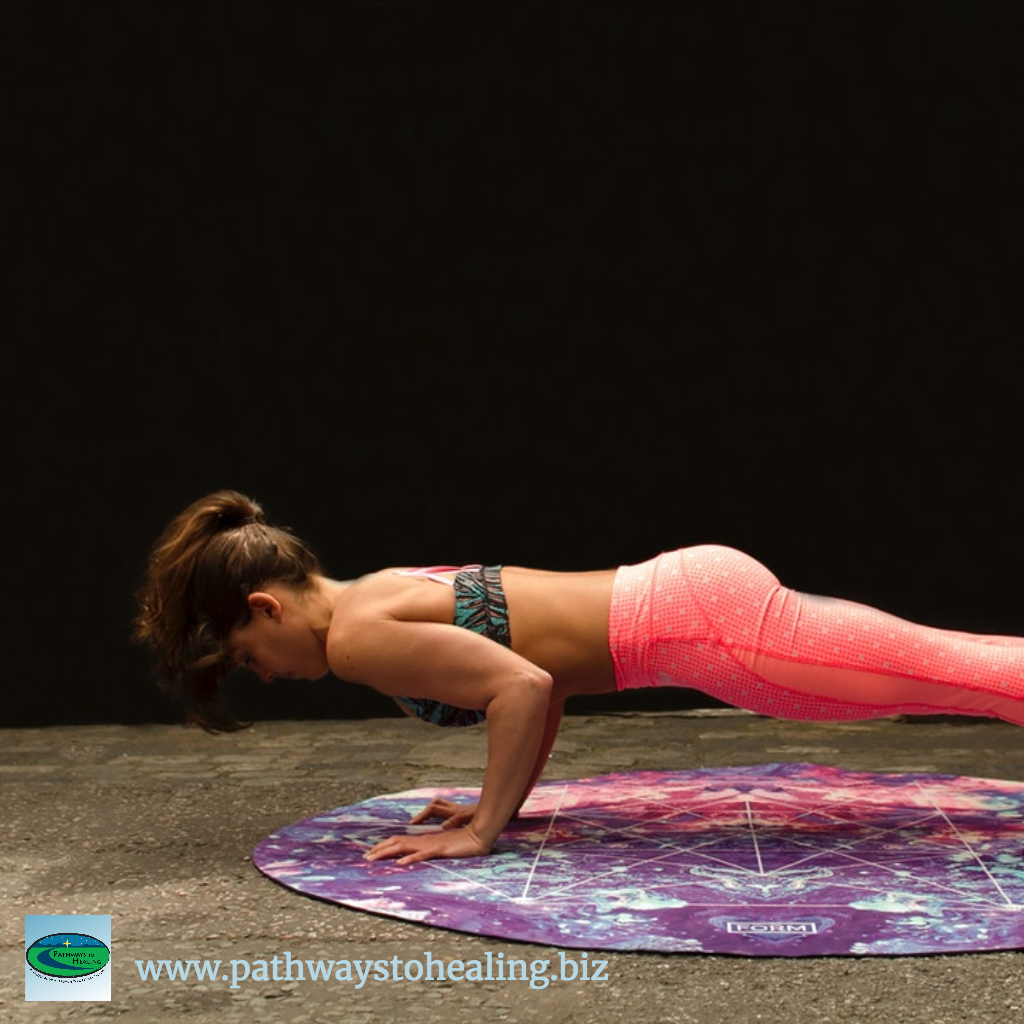
Push-ups are a great bodyweight exercise that strengthens the chest, shoulders and arms. (Be sure to stabilize your core by pulling your belly button in toward your spine.) They can be performed with various hand placements to isolate different muscle groups. Also, push-ups can be done at different levels of incline or decline. For example, beginners can start by pushing off of a wall or kitchen counter, progress to the floor on their knees, and eventually to their toes using full bodyweight.

Squats help build leg muscles and also help make daily living activities easier. You can begin squats against a wall and progress to air squats, but make sure your knees never bend past your toes. Other bodyweight exercises include bicycle crunches, reverse flies, tricep dips, planks, leg-raises, flutter kicks, bridges, donkey kicks, burpees, mountain climbers, lunges, sit-ups, reverse crunches, and step-ups.

You can customize your own workout by combining five to 10 different bodyweight exercises that target opposing muscle groups to create a circuit. Aim for 10 to 20 reps of each exercise. For best results do not rest much in between exercises in order to get – and keep — your heart rate up.

If you are not accustomed to physical activity, start with a few exercises and, after you become stronger and more adapted, add more exercises to your routine. Increase the number of circuits and repetitions of each exercise as you become more physically fit.

After completing bodyweight workouts, it is important to stretch to increase range of motion, flexibility, prevent injury, and decrease recovery time.  Aim to perform your bodyweight circuit two to three times per week.

Whether you’re a weekend warrior, a mom who chases after a toddler, or a mature adult trying to reduce your risk of falls, strength training helps build strong muscles and bones to make the activities of daily living easier! While high intensity workouts, cardio, and strength training have their benefits, bodyweight exercises are the most convenient and least expensive workouts for those lacking time and money.

Pathways to Healing specializes in holistic chiropractic care. Dr. Alyssa Musgrove draws on a variety of techniques, including chiropractic, kinesiology, nutrition, food allergy testing and lifestyle counseling to assist clients in achieving optimal health and wellness in one setting. Pathways to Healing is located at 1022 Founders Row, Lake Oconee Village, Greensboro, Ga. The office can be reached at 706-454-2040.